Buying a brand new car is exciting. The smell of the leather, the shiny paint, the zero miles on the odometer.
But the moment you drive that car off the dealership lot, it loses value—sometimes as much as 20% in the first year. This depreciation creates a dangerous financial trap called being “underwater” or “upside down” on your loan.
If you total your car during this time, your standard insurance will not save you. That is where Gap Insurance comes in.
What is Gap Insurance?
GAP stands for Guaranteed Asset Protection.
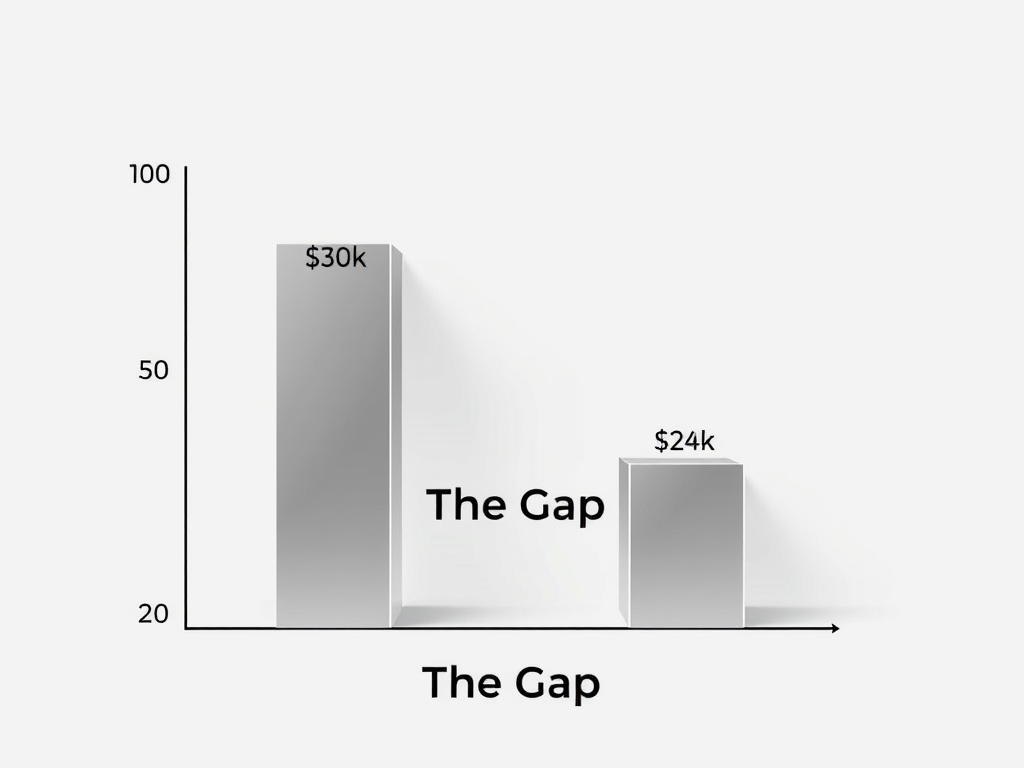
It is an optional insurance coverage that pays the difference (the “gap”) between what your vehicle is currently worth and the amount you still owe on your auto loan or lease.
The Problem: Actual Cash Value (ACV)
Standard car insurance policies pay out the “Actual Cash Value” of your car at the time of the accident—not what you paid for it, and not what you owe the bank.
The Scenario:
- You buy a new truck for $40,000 with $0 down.
- Six months later, you total it.
- Because of depreciation, the truck is now worth only $32,000.
- Your insurance company writes you a check for $32,000 (minus your deductible).
- The Problem: You still owe the bank $39,000 on the loan.
- The Result: You have no car, and you still have to pay the bank $7,000 out of your own pocket.
Gap Insurance pays that $7,000.
Who Needs Gap Insurance?
You absolutely need Gap Insurance if:
- You made a small down payment: If you put down less than 20%, you will likely be “upside down” the moment you drive away.
- You financed for a long term: Loans of 60, 72, or 84 months pay down the principal very slowly, keeping you underwater longer.
- You are leasing: Most lease contracts actually require Gap coverage (and it is often included in the lease price).
- You drive a car that depreciates fast: Luxury sedans and certain SUVs lose value faster than trucks or Toyotas.
Where to Buy It (Don’t Get Ripped Off)
You can buy Gap Insurance from two places, and the price difference is massive.
- The Dealership: They will try to sell it to you in the finance office.
- Cost: High ($500 – $1,000+ rolled into your loan).
- Verdict: Avoid. This is a huge markup.
- Your Car Insurance Agent: Most major insurers (Progressive, State Farm, Geico) offer Gap coverage as an add-on to your policy.
- Cost: Low ($20 – $60 per year).
- Verdict: Buy here. It is much cheaper and you can cancel it once you are no longer “underwater” on the loan.
Protecting Your Investment
Since you are concerned about the value of your car, keeping it in pristine condition helps slow down depreciation (and makes your daily drive better).
1. Heavy Duty Floor Mats
Stained carpets lower resale value immediately. Custom-fit rubber mats protect the interior from mud, snow, and coffee spills.
- Recommendation: Look for laser-measured mats that fit your specific model.
2. Paint Protection Film (DIY)
Rock chips on the hood or bumper can rust and lower the vehicle’s condition rating. Clear protective film or spray can be applied to high-impact areas.
- Recommendation: 3M makes quality clear films.
Conclusion
Gap Insurance is a temporary safety net. Once your loan balance is lower than the car’s value (usually after 2-3 years), you can cancel the coverage. But for those first few years, it is the only thing standing between you and a $5,000 bill for a car you can no longer drive.
Note: This content is for informational purposes only and does not constitute financial or legal advice. Insurance policies vary by state and provider. Always consult a licensed insurance agent to discuss your specific coverage needs.

Leave a ReplyCancel reply