The word nobody wants to hear: Cancer.
As cats live longer (and thanks to better food and indoor living, many reach their late teens!), cancer becomes more common. The body’s cells just get tired of replicating perfectly.
The most common types we see in seniors are Lymphoma (intestines), Squamous Cell Carcinoma (mouth/ears), and Mammary tumors.
But here is the most important thing I want you to know: A diagnosis is not an immediate end.
Cats are not small humans. They handle cancer differently. They handle chemotherapy differently (they rarely lose their fur or get severe nausea).
And even if you choose not to treat it aggressively, you have options. It’s called “Palliative Care,” and it’s all about filling their final chapter with love, comfort, and tuna juice.
The Signs: When to Check
- The Lump: Any new lump that doesn’t go away after two weeks needs to be checked.
- The Non-Healing Sore: Scabs on the nose or white ears that won’t heal. This is common in white cats who loved to sunbathe in their youth.
- The Odor: An unpleasant, necrotic (rotting) smell coming from the mouth or ears.
- Hiding: A cat who suddenly spends all day under the bed or in the closet is telling you they don’t feel well.
The “Quality of Life” Mindset
At this stage of life, our goal shifts. We aren’t trying to “fix” everything or put them through painful surgeries just to buy a few weeks. We are trying to ensure every day is a good day.
The “Good Day” Calendar
How do you know when it’s time to say goodbye? It is the hardest decision you will ever make.
- The Hack: Buy a cheap wall calendar. Every evening, draw a symbol.
- Smiley Face: They ate, they purred, they sat in the sun, they greeted you.
- Sad Face: They hid, they refused food, they seemed in pain, or they vomited.
- The Rule: When the sad faces start outnumbering the smiley faces, you have objective proof that their quality of life is slipping. It takes the guesswork out of an emotional decision.
Practical Suggestions for Seniors: Comfort First
If your cat is sick, make their world smaller and softer.
1. The “Studio Apartment” Lifestyle
Don’t make them walk upstairs for food and downstairs for the litter. That’s a marathon for a sick cat.
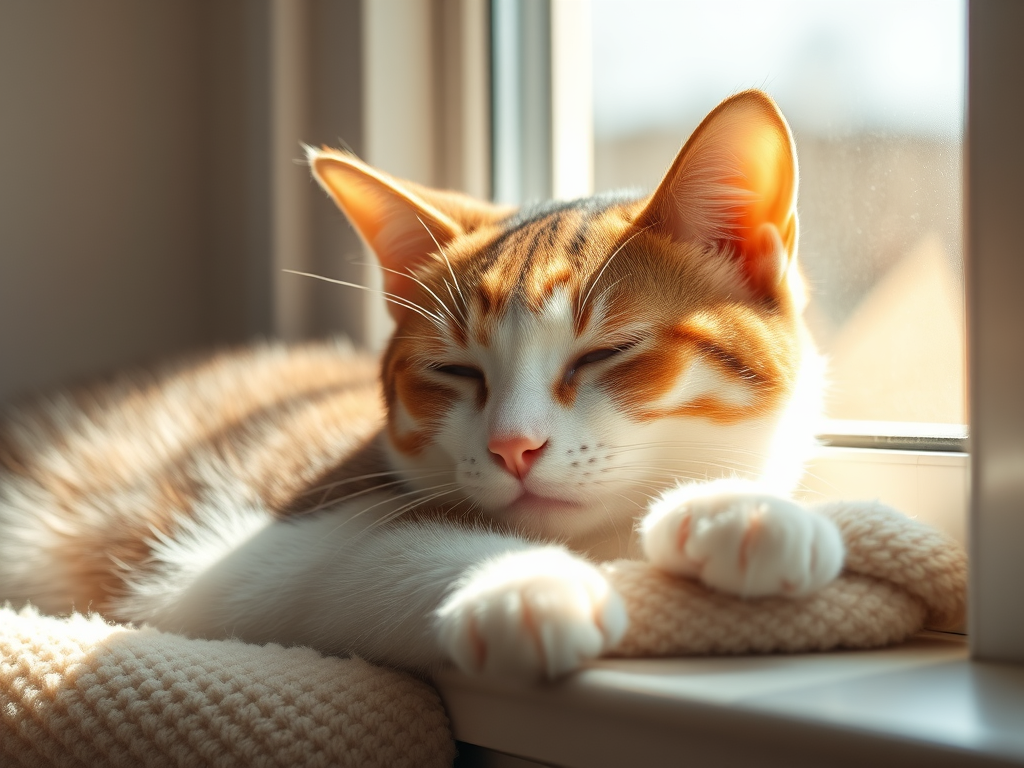
- The Hack: Move their world close to them. Put a heated bed, food, water, and a low-entry litter box all in one warm, sunny room. Let them retire in luxury.
2. Mobile Vet Hospice
Taking a sick, fragile cat to the clinic is stressful. The car ride, the dogs barking in the waiting room, the cold metal table… it’s a lot.
- The Hack: Look for “In-Home Hospice” vets.
- Why it’s amazing: They come to your living room. They can give fluids or pain medication right on your sofa. And when the time comes to say goodbye, they can help your friend pass peacefully in their own bed, on your lap, surrounded by the smells of home. It is the kindest final gift you can give.
Questions to Ask The Vet
- “What pain medications can we give to keep him comfortable?” (Buprenorphine is a common one that is easy to give).
- “What are the specific signs of suffering I should look for with this type of cancer?” (Respiratory distress? Seizures? Knowing what to look for reduces your panic).
• • “Do you have a recommendation for a mobile vet who can come to the house?”
Note: This content is for informational purposes only and does not constitute medical or veterinary advice. Always consult a professional for diagnosis and treatment.

Leave a ReplyCancel reply