We often joke that cats are picky eaters. They look at the expensive dinner you served, sniff it with disdain, and walk away with a flick of their tail. We call them divas.
But in older cats, “pickiness” is rarely about the flavor. It is almost always code for pain.
Cats suffer from a unique and agonizing condition called Tooth Resorption (sometimes called FORLs). The body essentially attacks the tooth, dissolving it from the inside out. It is excruciating—like having an exposed nerve.
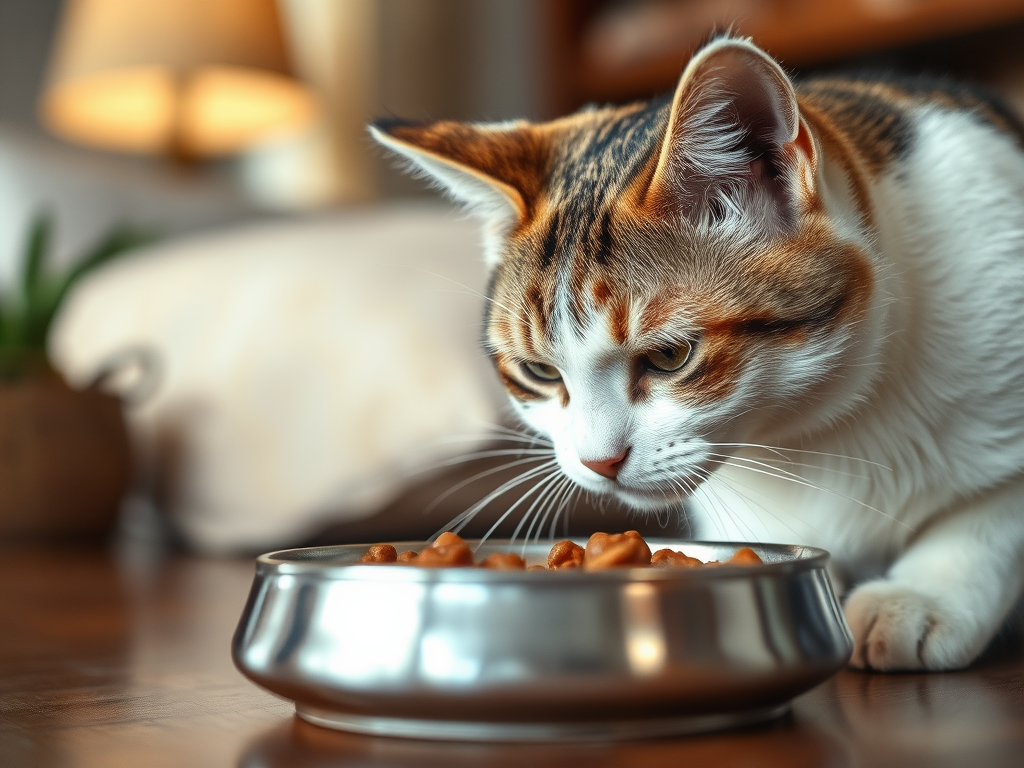
If your cat runs to the bowl but then turns away, they aren’t being difficult. They are telling you: “I’m hungry, but I’m scared it will hurt to eat.”
The Science: The Disappearing Tooth
Unlike humans who get cavities from sugar, cats get lesions where the dentin (the hard stuff inside the tooth) erodes. Eventually, the gum tissue grows over the hole to try and cover it. Touching this spot feels like an electric shock.
Because cats are predators, they won’t cry out. In the wild, a loud cat is a dead cat. So they suffer in silence, often swallowing food whole to avoid chewing.
The Signs (That Look Like Pickiness)
Watch your cat closely while they eat. You might see:
- The Drop: They pick up a piece of kibble, crunch it once, and drop it back in the bowl.
- The Head Tilt: They chew on only one side of their mouth, tilting their head to the side like they have water in their ear.
- The “Chatter”: Their jaw shakes or chatters while eating.
- The Gulp: They swallow food whole without chewing (leading to vomiting later).
- The Grump: They stop rubbing their face against your hand because their cheeks are sore.
Managing the Care: Surgery vs. Management
The only “cure” is removing the painful teeth. A toothless cat is a happy cat! Seriously, they can still eat dry food without teeth (they just gulp it). However, dental surgery requires anesthesia and can be expensive.
1. The Financial Conversation
If you are on a fixed income, be honest with your vet.
- Prioritize: Ask the vet, “Which teeth are actively hurting him right now?” You may be able to just extract the 1 or 2 painful teeth rather than doing a full cosmetic cleaning and polishing. This saves money and time under anesthesia.
- Payment Plans: Ask about CareCredit or Scratchpay, which allow you to pay off the bill over 6–12 months without interest.
2. The “Soup” Solution
If surgery isn’t an option right now, you must change the texture of their food to stop the pain.
- Pate Only: Switch to “Pate” or “Loaf” style canned food (no chunks or shreds that require chewing).
- Add Warm Water: Mash the pate with warm water until it is a soup consistency. This allows your cat to lap up the nutrition without ever having to chew.
- Baby Food: In a pinch (if they refuse to eat), try meat-based baby food (Chicken or Turkey). Just make sure there is NO onion or garlic in the ingredients.
The Senior Hack: The Carrier Battle
Getting a cat to the vet is a wrestling match nobody wants, especially if you have arthritis or back pain.
- The Top-Loading Carrier: This is the best investment you can make. Instead of trying to shove a spread-eagled cat backwards into a cave, you open the top door and lower the cat in. Gravity does the work for you.
- The Stroller: If the carrier is too heavy to carry from the car to the clinic, use a small rolling cart or a “pet stroller.” It allows you to roll them right into the vet clinic lobby without lifting a thing.
Questions to Ask The Vet
- “Is my cat healthy enough for anesthesia? (Can we do bloodwork first?)”
• • “Can we try a liquid pain medication (like Buprenorphine) for a few days to see if his appetite improves?” (If the meds make him eat, you know it was pain!).

Leave a ReplyCancel reply