You wake up, turn on the aquarium light, and squint at the tank.
Something looks wrong.
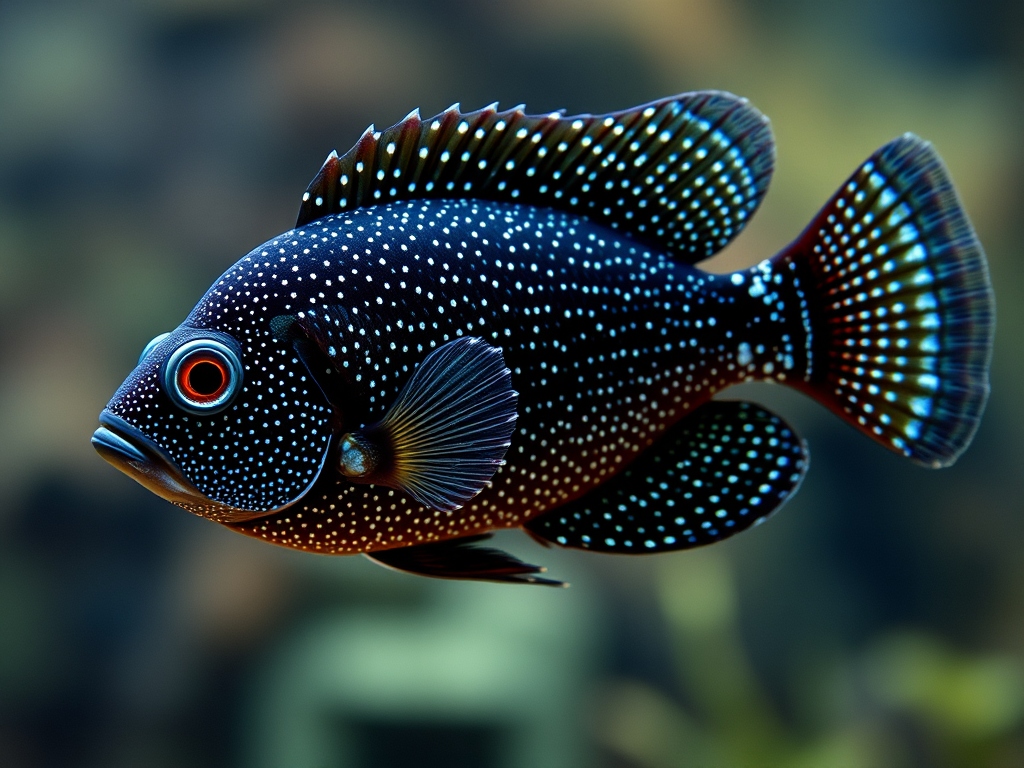
Your beautiful black molly looks like someone sprinkled salt all over her. Tiny, white, sugar-sized grains are stuck to her fins and body. She’s rubbing herself against the gravel like she has an itch she can’t scratch.
Congratulations, you have Ich.
Don’t panic. Almost every fish keeper deals with this at least once. It’s the “Common Cold” of the aquarium world—highly contagious, annoying, but very treatable if you catch it fast.
The Science: The Vampire Parasite
“Ich” (short for Ichthyophthirius multifiliis—try saying that three times fast) isn’t a fungus or a bacteria. It’s a parasite.
Those white spots? They are tiny cysts. Inside each white spot is a parasite burrowed into your fish’s skin, feeding on them.
- The Cycle: After a few days, the white spot falls off the fish and lands in the gravel. There, it multiplies into hundreds of baby parasites. These babies then swim up and attack the fish again.
- The Trick: You can only kill the parasite when it is swimming in the water. You can’t kill it while it’s on the fish (the cyst protects it).
The Signs: Itchy and Spotty
- The Salt Look: It really does look like grains of table salt stuck to the fins and skin.
- Flashing: This is fish-speak for scratching. Your fish will dive-bomb the gravel or rub their sides against decorations. They are trying to scrape the parasites off.
- Clamped Fins: They hold their fins tight against their body instead of fanning them out.
- Gasping: In bad cases, the parasites attach to the gills, making it hard to breathe.
The Senior-Friendly Management Plan
Treating Ich used to involve messy green dyes that stained your silicone and your hands. Now, we use heat and safer meds.
1. Turn Up the Heat
This is the easiest, “hands-off” treatment.
The Ich parasite’s life cycle speeds up in hot water. At cool temperatures, the cycle takes weeks. At warm temperatures, it takes days. We want to speed it up so we can kill them faster.
- The Hack: Slowly turn your aquarium heater up. Aim for 86°F (30°C). Do this gradually—turn it up 1 degree every hour so you don’t shock the fish.
- Why: Most tropical fish can handle this for a week. The parasites cannot.
2. The Blue Bottle (Medication)
If you have sensitive fish, heat alone might not work. You need medicine.
Look for a bottle of “Ich-X” or “Super Ick Cure.”
- Senior Warning: Many of these medicines contain a dye called Malachite Green. It stains everything. If you spill a drop on your carpet, it is blue forever.
- The Hack: Place the bottle inside a plastic Tupperware container while you open and pour it. If it drips, it lands in the Tupperware, not on your counter or rug.
3. Remove the Carbon
This is the step everyone forgets!
Your aquarium filter likely has a “carbon cartridge” (the black charcoal stuff). Carbon is designed to remove chemicals from the water. If you pour medicine in, the carbon will suck it right back out in 5 minutes.
- The Step: Reach into the filter and pull out the cartridge before you treat. Throw it away. Put a new one in only after the treatment is done (usually 1 week later).
Questions to Ask The Local Fish Store
- “I have snails/shrimp in my tank. Is this medicine safe for them?” (CRITICAL question—most Ich meds kill snails! You need a “Invertebrate Safe” version).
- “Do I need to do a water change before the second dose?” (Usually yes, about 25%).
• • “Can I just use Aquarium Salt instead of chemicals?” (Yes, salt is great, but it requires measuring. If you struggle with heavy lifting/mixing buckets, the drops might be easier).
Note: This content is for informational purposes only and does not constitute medical or veterinary advice. Always consult a professional for diagnosis and treatment.

Leave a ReplyCancel reply