What is That Bump? A Hypochondriac’s Guide to Dog Lumps
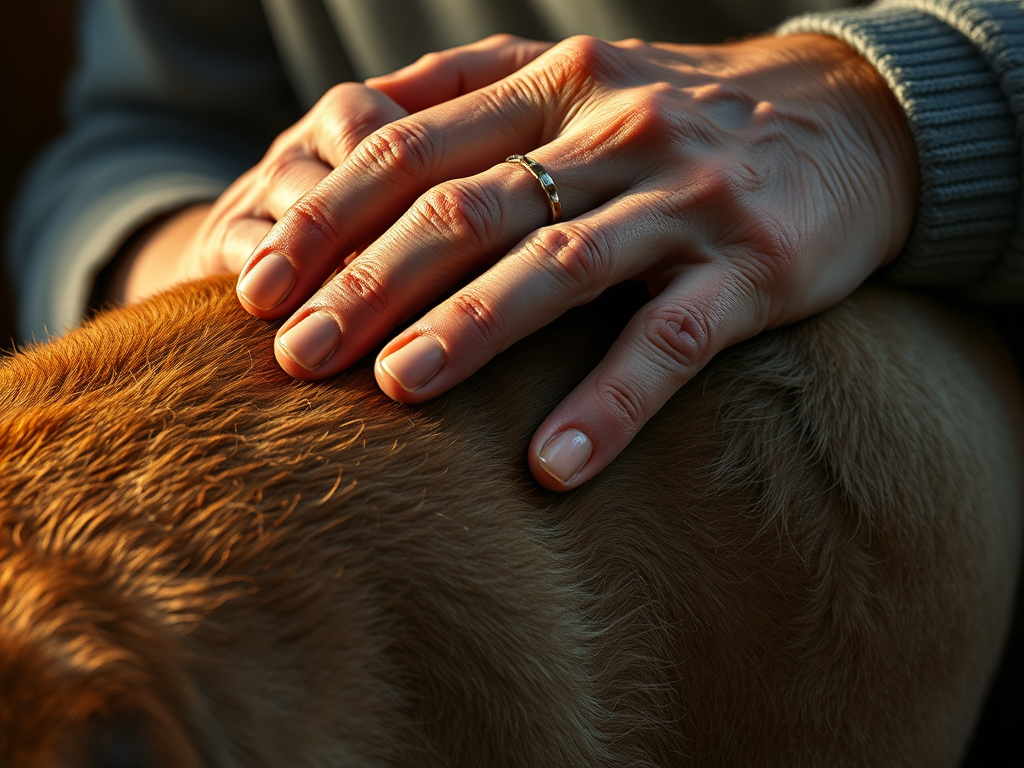
Owning a senior dog is basically just a series of mini heart attacks. You’re petting them on the couch, enjoying a nice moment, and then—BUMP.
Your fingers hit something that wasn’t there last week.
Your brain immediately goes to the dark place. It’s cancer. It’s a tumor. This is it.
Take a breath. Pour a cup of tea.
Here is the reality: Old dogs are lumpy. They are like old sweaters that pill; it just happens. The vast majority of these bumps are harmless, but you need a system to track them so you don’t lose your mind.
The “Good” Lumps (The Usual Suspects)
As dogs age, their skin gets weird. Here are the things you’ll find that usually mean nothing:
- The Fatty Lump (Lipoma): These are the MVPs of old dog lumps. It’s just a ball of fat under the skin. It feels squishy, like a water balloon, and you can wiggle it around. Unless it’s in their armpit and rubbing when they walk, we leave these alone.
- The Old Dog Wart: These look like little cauliflowers or stale raisins sticking out of the skin. They are ugly, but harmless.
- The Pimple (Cyst): Sometimes a pore gets clogged and forms a bump. Sometimes they pop and ooze white gunk. Gross? Yes. Deadly? No.
The “Bad” Lumps (The Great Pretenders)
Here is the problem: There is a cancer called a Mast Cell Tumor that is a master of disguise. It can feel soft like a fatty lump, or hard like a wart. It can be big or small.
This is why you cannot tell if it’s cancer just by feeling it. And neither can your vet! If a vet looks at a lump and says, “Eh, it feels fine,” without testing it… be skeptical.
The Needle Trick (The “Tap”)
If you are worried, ask for a Fine Needle Aspirate.
Don’t let the name scare you. The vet takes a tiny needle (smaller than a vaccine needle), pokes the lump, and sucks out some cells.
- Does it hurt? No more than a mosquito bite. My dogs usually don’t even look up from the treat jar.
- The Benefit: They look under the microscope right there. In 10 minutes, you know if it’s fat (Party time!) or something else (Time for a plan). It’s the best money you can spend for peace of mind.
How to Track Them (Without Going Crazy)
You can’t rely on your memory. You’ll say, “I think that was smaller last month,” but you won’t be sure.
The Fridge Map Method:
- Print out a coloring-book outline of a dog. Tape it to your fridge.
- Every time you find a lump, draw a circle on the map where it is.
- The Fruit Scale: Don’t measure with inches (too hard). Measure with fruit. Write down: “Left Shoulder – Grape.” “Right Flank – Pea.”
- Check them once a month. If the “Pea” becomes a “Lime,” you call the vet.
When to Actually Panic
Okay, maybe not panic, but call the vet today if:
- The lump is bleeding or oozing.
- It appeared overnight and is growing fast.
- It feels hard and stuck to the bone (doesn’t wiggle).
- Your dog keeps licking or chewing at it (that means it itches or hurts).
A Final Thought
Don’t let the lumps scare you away from petting your dog. Touch is their love language. Just think of the bumps as “braille for seniors.” Keep your map, check them monthly, and enjoy the snuggles.
Questions to Ask The Vet
- “Can you poke this lump right now so I can stop worrying?”
- “Is this wart in a spot that will bleed if the groomer hits it?” (If yes, might want to remove it).
• • “Can we take this skin tag off with just local numbing cream instead of full anesthesia?”
Note: This content is for informational purposes only and does not constitute medical or veterinary advice. Always consult a professional for diagnosis and treatment.

Leave a ReplyCancel reply