We tend to think of arthritis as a dog issue. We imagine a Golden Retriever limping after a walk, or an old Lab struggling to get into the car.
But cats are masters of disguise. In the wild, showing pain makes you prey, so our house cats have evolved to hide it perfectly. They almost never limp. Instead, they just change their lifestyle.
If your cat used to sleep on the high perch of the cat tree but now naps on the rug, or if they hesitate before jumping onto the sofa, it’s not just “old age.” It is likely Osteoarthritis (Degenerative Joint Disease).
And yes, just like your knees might ache when it rains, theirs do too.
The Science: The Cushion is Gone
Joints are cushioned by cartilage. Over 15 years of jumping off refrigerators, stalking birds, and zooming through the house at 3 AM, that cartilage wears down. Bone begins to rub against bone, causing inflammation.
This hurts. But because cats are nimble, they adjust their movements to avoid the pain. They stop using “vertical space” (jumping up) and start living in “horizontal space” (the floor).
The Signs: It’s Not About Limping
Since they won’t cry out, you have to play detective. Look for these changes:
- The “Elevator” is Broken: They no longer jump on high counters. They use “stepping stones” (chair -> table -> counter) to get up.
- The Unkempt Coat: If they have matted fur on their lower back or near the tail, it’s often because their spine is too stiff to turn around and groom there.
- The Grumpy Nap: They might swat at you if you pet their hips or try to pick them up.
- The Missed Box: They pee right next to the litter box because the sides are too high to step over comfortably. Or they poop on the floor because crouching hurts their knees.
The Game-Changer Treatment: Solensia
For years, treating cats for pain was frustrating. Cats cannot process common human painkillers (Tylenol is toxic to them!), and giving a cat a daily pill is a battle that ruins your relationship.
Now, there is a breakthrough called Solensia.
- What it is: A monthly injection given at the vet.
- How it works: It acts like a “mute button” for nerve growth factor (the thing that signals pain). It is not a steroid, so it is safer for kidneys.
- The Result: I cannot tell you how many owners have told me, “I thought he was just old, but after the shot, he’s playing with the laser pointer again.” It turns back the clock.
Practical Suggestions for Seniors
Making your home arthritis-friendly helps your cat and keeps your home safer.
1. The “Stepping Stone” Method
You don’t need to buy expensive, ugly ramps if you don’t want to.
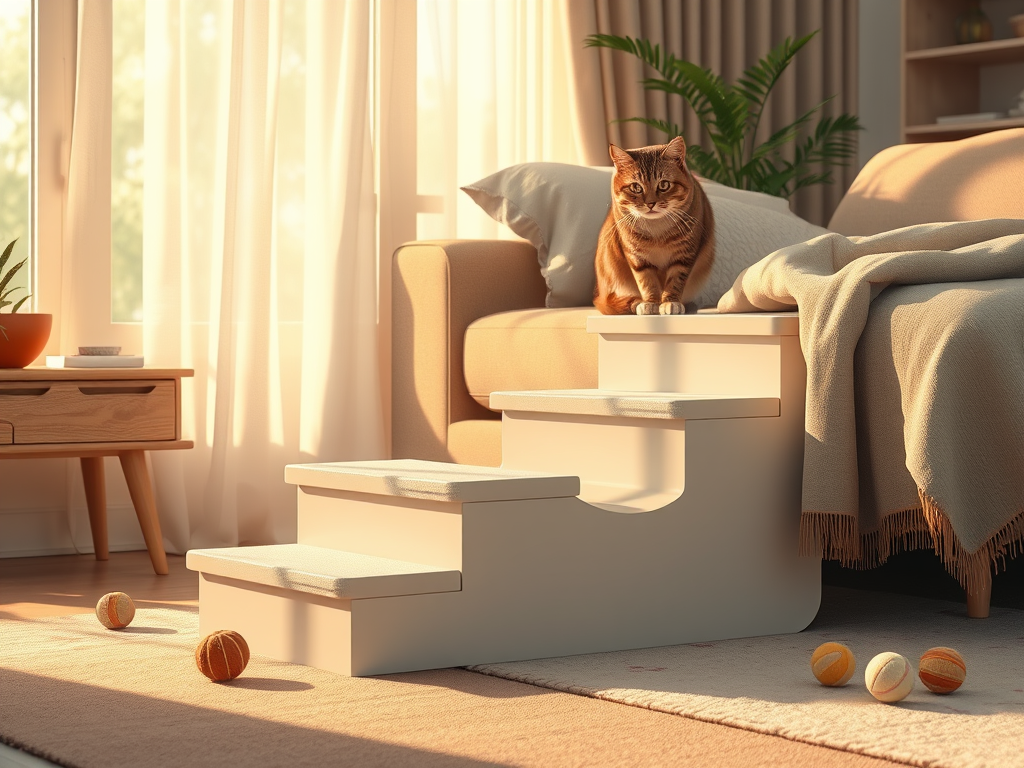
- The Hack: Move a sturdy ottoman or footstool next to your bed or the sofa. This cuts the jump height in half. It helps your cat join you for snuggles without the painful impact of jumping.
2. Heated Beds
Warmth is natural pain relief.
- The Hack: Buy a Self-Warming Bed. These beds have a layer of Mylar (space blanket material) inside that reflects the cat’s own body heat back to them. They are cord-free, safe, and cheap. Keeping the joints warm helps keep them loose.
3. Litter Box Hacks (The DIY Solution)
If your cat is pooping right outside the box, it’s likely because stepping into the box hurts. Senior boxes sold in stores are often expensive or too small.
- The Hack: Buy a large, clear plastic storage bin (like you’d store sweaters in). Use a box cutter to cut a wide, low doorway in one side (leave just 3 inches of lip).
- Why it works: It gives them a huge space to turn around in (great for stiff spines) and an easy entry.
Questions to Ask The Vet
- “Is Solensia available at this clinic?” (Most carry it now).
- “Is my cat’s weight making the arthritis worse?” (Weight loss is the best free painkiller).
• • “Can we add an Omega-3 supplement to their food?” (Fish oil helps lubricate the joints, but make sure it’s cat-specific).

Leave a ReplyCancel reply