Why “Dog Breath” is More Than Just a Smell
In the U.S., nearly 80% of dogs over the age of three suffer from some form of periodontal disease. Because dogs are genetically wired to hide pain, many owners don’t realize their pet is suffering until a tooth is loose or an abscess has formed.
Understanding dental disease is the first step toward adding years to your dog’s life.
🦷 Phase 1: The Progression
Dental disease doesn’t happen overnight. It follows a predictable, destructive path:
- Plaque Formation: Within hours of eating, bacteria form a sticky film (plaque) on the teeth.
- Tartar (Calculus) Buildup: If not brushed away, plaque mineralizes into hard, brown tartar in as little as 48 hours.
- Gingivitis: Tartar creeps under the gumline, causing inflammation, redness, and bleeding.
- Periodontitis: The final stage where the structures supporting the tooth—the bone and ligaments—are destroyed, leading to tooth loss and systemic infection.
🚩 The Warning Signs (Red Flags)
Don’t wait for your dog to stop eating. Most dogs will eat even with severe dental pain. Look for these signs instead:
- The “Odor”: Extremely foul breath is not normal. It’s the smell of decaying tissue and bacteria.
- Discolored Teeth: Yellow or brown crust near the gumline.
- “Chattering” or Dropping Food: If your dog drops kibble while eating or avoids chewing on one side.
- Bloody Saliva: You might notice pink tinges on their chew toys or water bowl.
- Face Swelling: A bump under the eye often indicates a “Root Abscess”—a severe infection of the upper carnassial tooth.
⚠️ The Hidden Danger: Beyond the Mouth
The scariest part of dental disease isn’t the mouth—it’s the organs.
When gums are inflamed and bleeding, bacteria from the mouth enter the bloodstream. These bacteria can travel to and “seed” infections in the heart valves, kidneys, and liver, potentially leading to organ failure. Keeping the mouth clean is a fundamental part of protecting the heart.
🛠️ Your Action Plan: Prevention & Treatment
1. The Gold Standard: Brushing
Brushing is the only way to remove plaque before it becomes tartar.
- Frequency: At least 3 times a week (Daily is best).
- The Rule: Never use human toothpaste (Xylitol and Fluoride in human paste are toxic to dogs). Use enzymatic pet toothpaste in flavors like poultry or peanut butter.
2. The Professional Cleaning
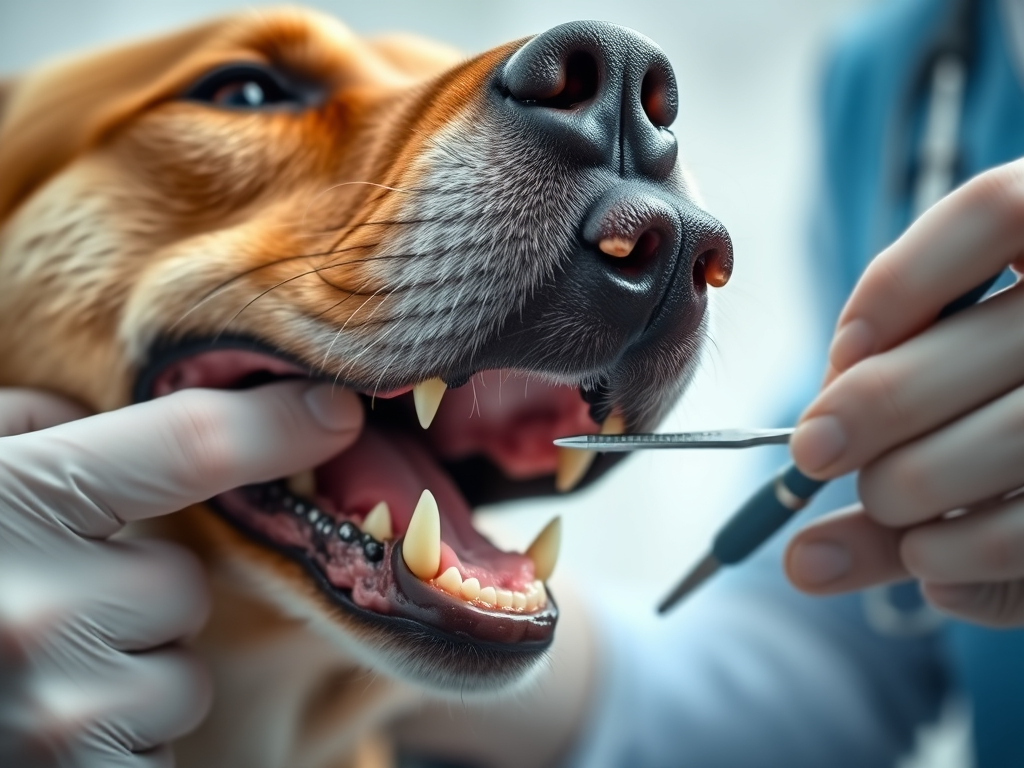
Once tartar has hardened, a toothbrush cannot remove it. Your vet must perform a Professional Dental Cleaning under anesthesia. This allows them to:
- Clean under the gumline where the real damage happens.
- Take dental X-rays to find “hidden” bone loss.
- Extract teeth that are causing active pain.
3. Approved Chews and Diets
Look for the VOHC (Veterinary Oral Health Council) seal on products. This seal ensures the treat has been scientifically proven to reduce plaque or tartar.
💡 Summary Checklist for Owners
- [ ] Monthly: Lift your dog’s lips and check for red gums or brown buildup.
- [ ] Weekly: Aim for 3-5 brushing sessions.
- [ ] Yearly: Have a vet perform a formal oral exam during the wellness visit.
Note: This content is for informational purposes only and does not constitute medical or veterinary advice. Always consult a professional for diagnosis and treatment.

Leave a ReplyCancel reply