A Senior-Friendly Guide for Pet Owners
1. Why Safety Matters
Keeping pets safe helps prevent injury, illness, or loss. Pets are vulnerable to:
- Getting lost outdoors
- Traffic accidents
- Aggressive animals or people
- Theft or intentional harm
Tip: Preventive measures and planning reduce risk and give peace of mind.
2. Identification & Tracking
Essential Tools
- Microchip: Permanent ID for lost pets
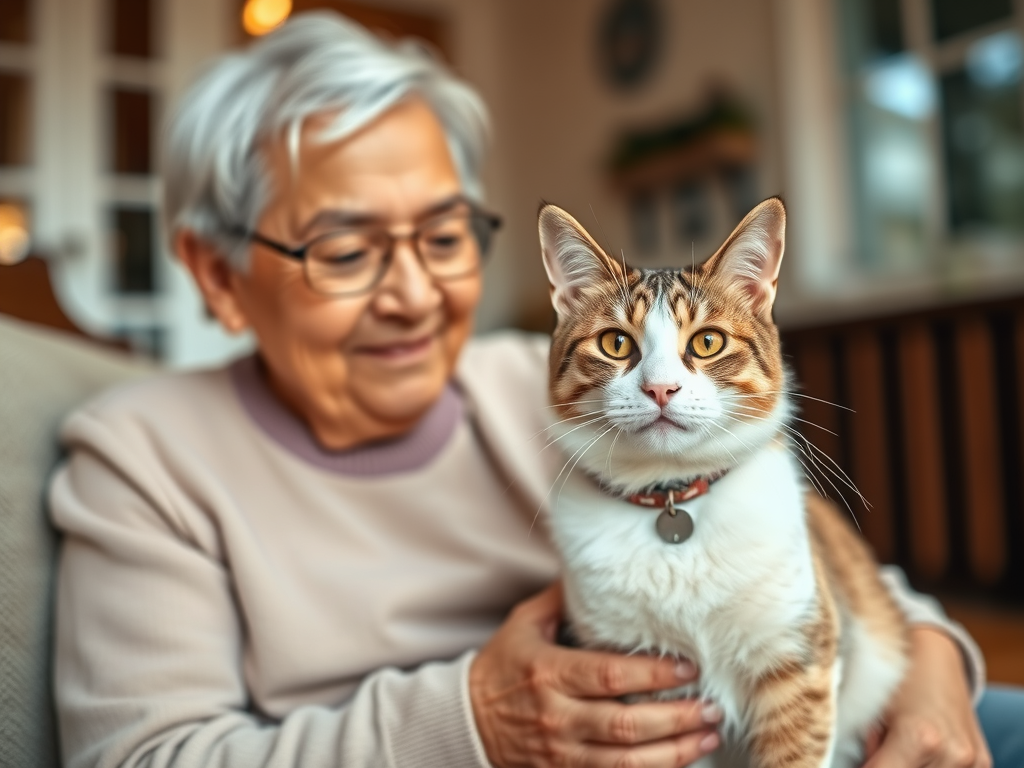
- Collar with ID tags: Name, phone number, and address
- GPS tracker (optional): Real-time location monitoring
Tip: Keep microchip registration up to date and replace worn ID tags regularly.
3. Safe Home Environment
- Keep fences secure and gates closed
- Supervise pets near roads or bodies of water
- Remove toxic plants or chemicals
- Ensure doors and windows are secured
4. Outdoor & Travel Safety
- Use leashes or harnesses when walking
- Carry water, waste bags, and identification
- Avoid crowded or high-traffic areas if pets are anxious
- Prepare crates or carriers for transport
5. Theft Prevention
- Avoid leaving pets unattended in public or outside vehicles
- Keep personal information private online if sharing pet photos
- Be cautious when introducing pets to strangers
- Know local laws about pet theft and recovery
6. Senior-Friendly Tips
- Use lightweight leashes, harnesses, or carriers
- Walk pets during quieter times of day to reduce stress
- Maintain a safety checklist for daily and travel routines
- Teach pets basic commands for safety (come, stay)
7. Emergency Planning
- Keep a lost pet kit: recent photo, collar, leash, microchip info
- Know local shelters, veterinarians, and animal control contacts
- Post on social media or community boards if your pet is missing
- Consider insurance that covers loss or theft
8. Financial Planning
- Budget for microchips, ID tags, GPS trackers, and secure fencing
- Include emergency funds for unexpected situations (vet care, recovery, boarding)
9. Key Takeaways
- Identification and tracking are essential for lost or stolen pets
- Safe home and outdoor environments prevent accidents
- Theft prevention includes supervision and caution online
- Emergency planning ensures a faster, safer response
- Consistent safety habits reduce stress and protect your pet’s wellbeing.
A large-print, senior-friendly Pet Safety & Loss Checklist with spaces to track ID, microchip, home safety, outdoor routines, and emergency contacts is collectible now, just contact Lindsay.

Leave a ReplyCancel reply