A Senior-Friendly Guide for Responsible Pet Care
1. What Is Pet Abandonment?
Pet abandonment means leaving a pet without proper care, supervision, or a safe home. This can include:
- Leaving a pet behind when moving
- Not providing food, water, shelter, or medical care
- Releasing a pet outdoors to “fend for itself”
- Failing to make care arrangements during illness or emergencies
Important: Abandonment is illegal in many places and can lead to fines or legal action.
2. Why Abandonment Happens
Pet abandonment is often linked to:
- Financial hardship
- Health or mobility challenges
- Housing restrictions
- Behavioral or medical problems in pets
- Lack of emergency or backup care planning
Key point: Most abandonment is preventable with early planning and support.
3. Animal Welfare Laws & Enforcement
Animal welfare laws are designed to protect pets from neglect and harm. Enforcement may involve:
- Animal control or welfare officers
- Fines, citations, or seizure of animals
- Bans on future pet ownership in serious cases
Common welfare violations include:
- Untreated illness or injury
- Extreme underweight or dehydration
- Unsafe living conditions
- Lack of shelter from heat or cold
4. Risks for Seniors
Seniors may face higher risk due to:
- Hospitalization or sudden health changes
- Limited mobility or transportation
- Fixed incomes
- Lack of nearby family support
Important: Authorities usually aim to protect pets—not punish owners—but they must act if welfare is at risk.
5. How to Prevent Abandonment
Plan Ahead
- Identify a trusted family member, friend, or caregiver
- Arrange backup care for emergencies or hospital stays
- Keep written care instructions with pet documents
Use Available Support
- Low-cost veterinary clinics
- Food banks for pets
- Temporary foster or respite care programs
- Rescue organizations that assist owners in crisis
6. If You Can No Longer Care for Your Pet
If permanent care becomes impossible:
- Contact reputable rescues or shelters before a crisis
- Ask your veterinarian for rehoming assistance
- Avoid giving pets away to strangers without screening
Never: abandon a pet outdoors or leave it without care.
7. Senior-Friendly Tips
- Keep an Emergency Pet Care Plan visible at home
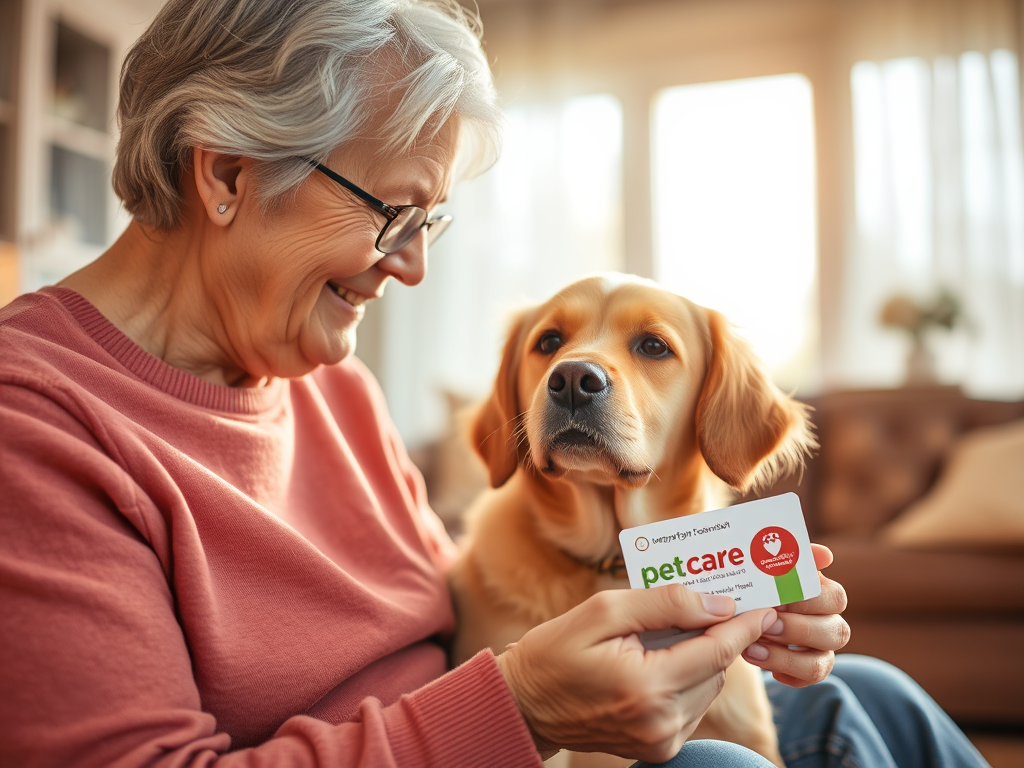
- Carry a wallet card stating you have a pet at home
- Discuss pet care wishes with family in advance
- Review plans yearly or after health changes
8. Key Takeaways
✔ Pet abandonment is preventable and often illegal
✔ Welfare laws exist to protect animals, not punish responsible owners
✔ Planning ahead protects both pets and owners
✔ Support services are available—ask early
✔ Responsible rehoming is always better than abandonment
A Pet Welfare Compliance Checklist is ready for subscribers!

Leave a ReplyCancel reply