Preventing Dental Disease and Maintaining Oral Health
1. Why Dental Health Matters
Dental disease is very common in pets, especially as they age. Poor oral health can cause:
- Pain, tooth loss, and difficulty eating
- Bad breath (halitosis)
- Gum infection (gingivitis)
- Heart, kidney, and liver problems (bacteria can spread from the mouth)
Tip: Preventive care is far easier, safer, and less expensive than treating advanced dental disease.
2. Signs of Dental Problems
Watch for these warning signs:
- Bad breath that doesn’t improve
- Red or bleeding gums
- Difficulty chewing or dropping food
- Pawing at the mouth or face
- Loose or missing teeth
- Swelling under the eyes or around the mouth
Important: Some pets hide pain, so subtle changes are important to notice.
3. Preventive Dental Care
At Home
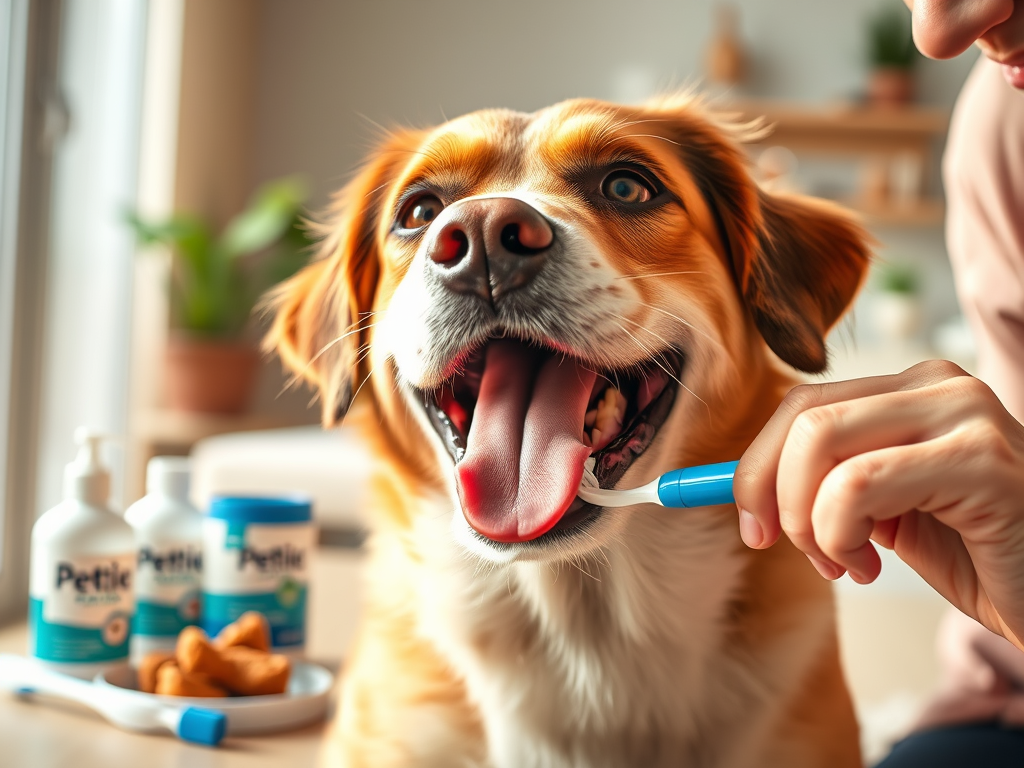
- Daily or regular brushing with pet-safe toothpaste
- Dental chews and toys that reduce tartar
- Special diets designed for dental health
Professional Care
- Routine veterinary dental exams (usually once a year)
- Professional cleaning under anesthesia if recommended
- Early treatment of gingivitis or tartar build-up
4. Senior-Friendly Tips
- Start brushing slowly and make it a positive routine
- Use finger brushes or soft-bristled toothbrushes
- Offer dental chews for pets resistant to brushing
- Maintain regular vet dental visits even if your pet seems healthy
5. Financial Planning
- Budget for professional dental cleanings, especially for aging pets
- Preventive care (brushes, chews) is more affordable than surgery
- Ask your veterinarian about payment plans or wellness packages
6. Key Takeaways
- Dental disease is common but largely preventable
- Watch for subtle signs of pain or gum issues
- Daily home care plus regular vet checkups keeps teeth and gums healthy
- Preventive care reduces pain, infection, and long-term medical costs
- Early action preserves comfort, eating ability, and overall health
If you need a large-print, senior-friendly Dental Health Checklist for daily and yearly care, tracking brushing, chews, and vet visits,just subscribe or send an email.
Note: This content is for informational purposes only and does not constitute medical or veterinary advice. Always consult a professional for diagnosis and treatment.

Leave a ReplyCancel reply