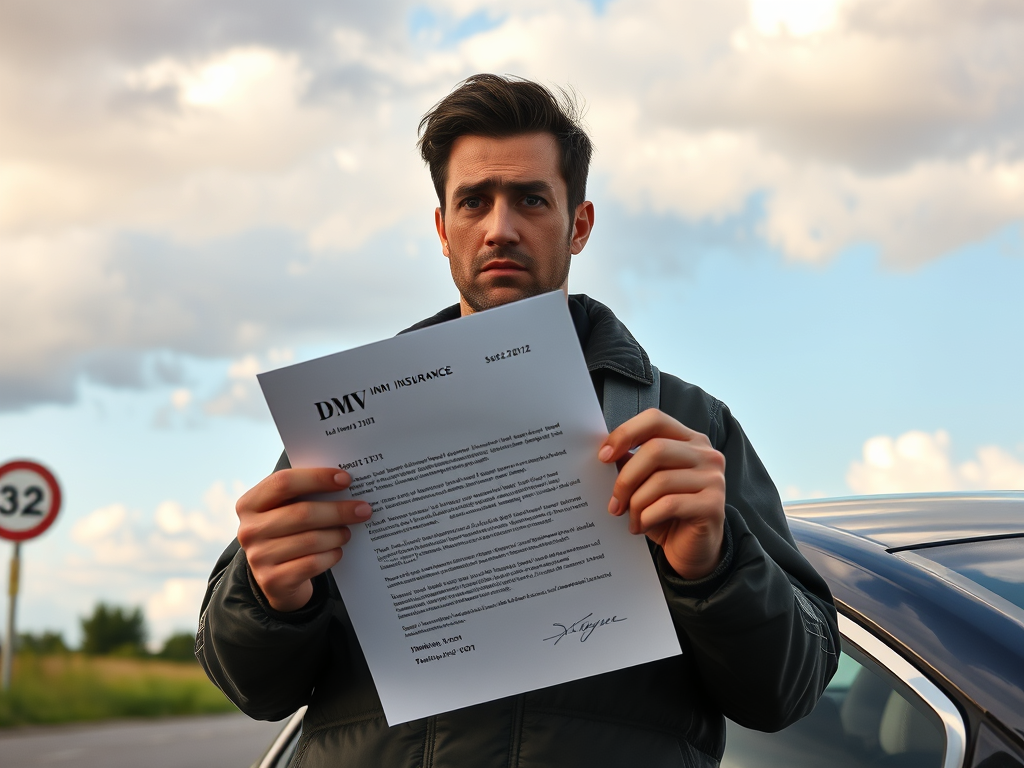
Receiving a letter from the DMV stating your license has been suspended is a nightmare. Whether it was for a DUI, too many speeding tickets, or driving without insurance, the road to getting back behind the wheel usually involves one confusing acronym: The SR-22.
Most people think it is a special type of “high-risk insurance policy.” It is not.
Here is the straightforward guide to what an SR-22 actually is, how to get one filed, and how to minimize the damage to your wallet.
What is an SR-22?
An SR-22 (or FR-44 in some states like Florida and Virginia) is not an insurance policy. It is a Certificate of Financial Responsibility.
It is a document that your insurance company files directly with the State DMV to prove that you have active car insurance.
- The Catch: If you cancel your insurance or miss a payment, the insurance company is legally required to notify the DMV immediately.
- The Result: The DMV will suspend your license again the moment that notification arrives.
Who Needs One?
You are typically required to carry an SR-22 if you have:
- A DUI or DWI conviction.
- A Reckless Driving conviction.
- Been caught driving without insurance.
- An “At-Fault” accident while driving without insurance.
- Too many points on your license in a short period.
How Much Does It Cost?
There are two costs to consider:
- The Filing Fee: This is cheap. The insurance company usually charges a one-time fee of $25 to $50 to file the document.
- The Premium Increase: This is expensive. Because you are now a “High-Risk Driver,” your actual insurance premiums will likely double or triple.
What If I Don’t Own a Car? (The “Non-Owner” SR-22)
This is a very common scenario. You lost your license, so you sold your car. But the DMV says you need insurance to get your license back. How do you insure a car you don’t have?
You need a Non-Owner SR-22 Policy.
- What it covers: It insures you when you drive a borrowed car.
- Why buy it: It fulfills the DMV requirement so you can get your license reinstated.
- The Cost: It is significantly cheaper than standard insurance because you don’t have a specific vehicle to repair.
How Long Do I Need It?
In most states, you must keep the SR-22 active for 3 years.
- If you maintain it perfectly for 3 years, the requirement falls off, and you can go back to standard insurance.
- If you let it lapse (even for one day), the 3-year clock might reset to zero.
Conclusion
The SR-22 is your “probation officer” for driving. It watches you to ensure you stay insured. While it is expensive, it is the only legal key to unlocking your freedom. Shop around—prices for SR-22 filings vary wildly between carriers.
Disclaimer: This content is for informational purposes only. Laws and filing requirements vary strictly by state. Consult a traffic attorney or insurance agent.